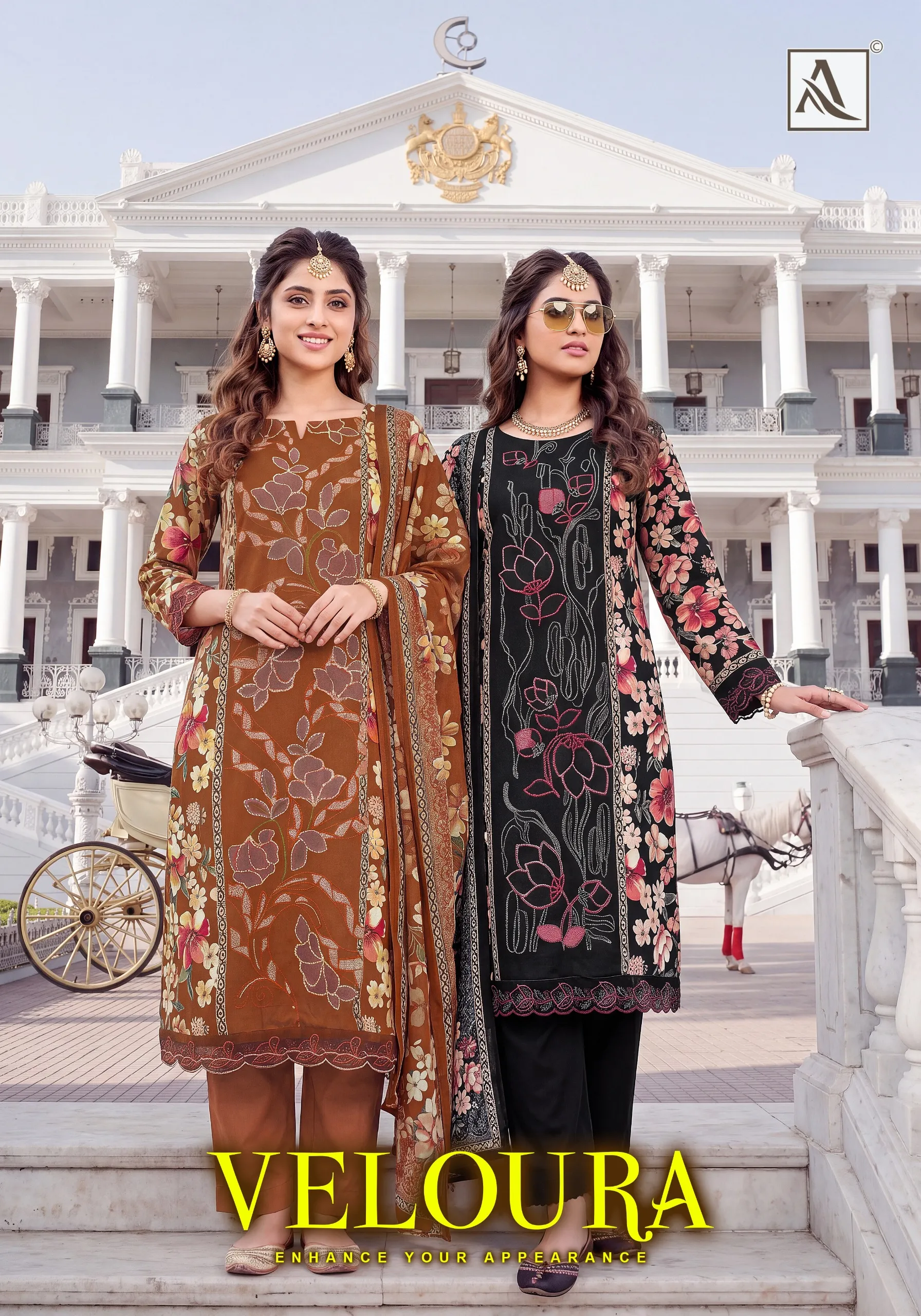
| MOQ | Minimum 6 Pcs. |
| Stitched | Unstitched |
| Type | DRESS MATERIAL |
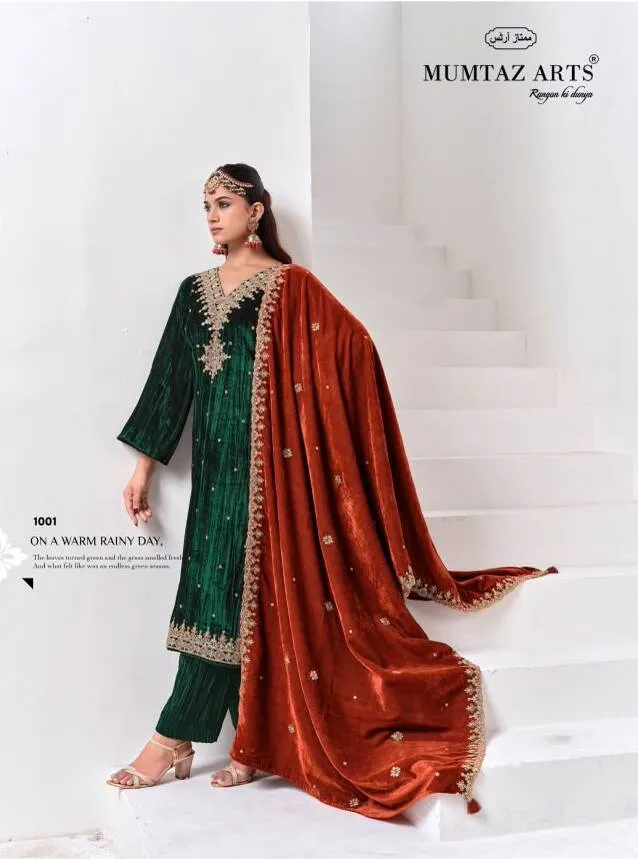
| MOQ | Minimum 5 Pcs. |
| Stitched | Unstitched |
| Type | DRESS MATERIAL |
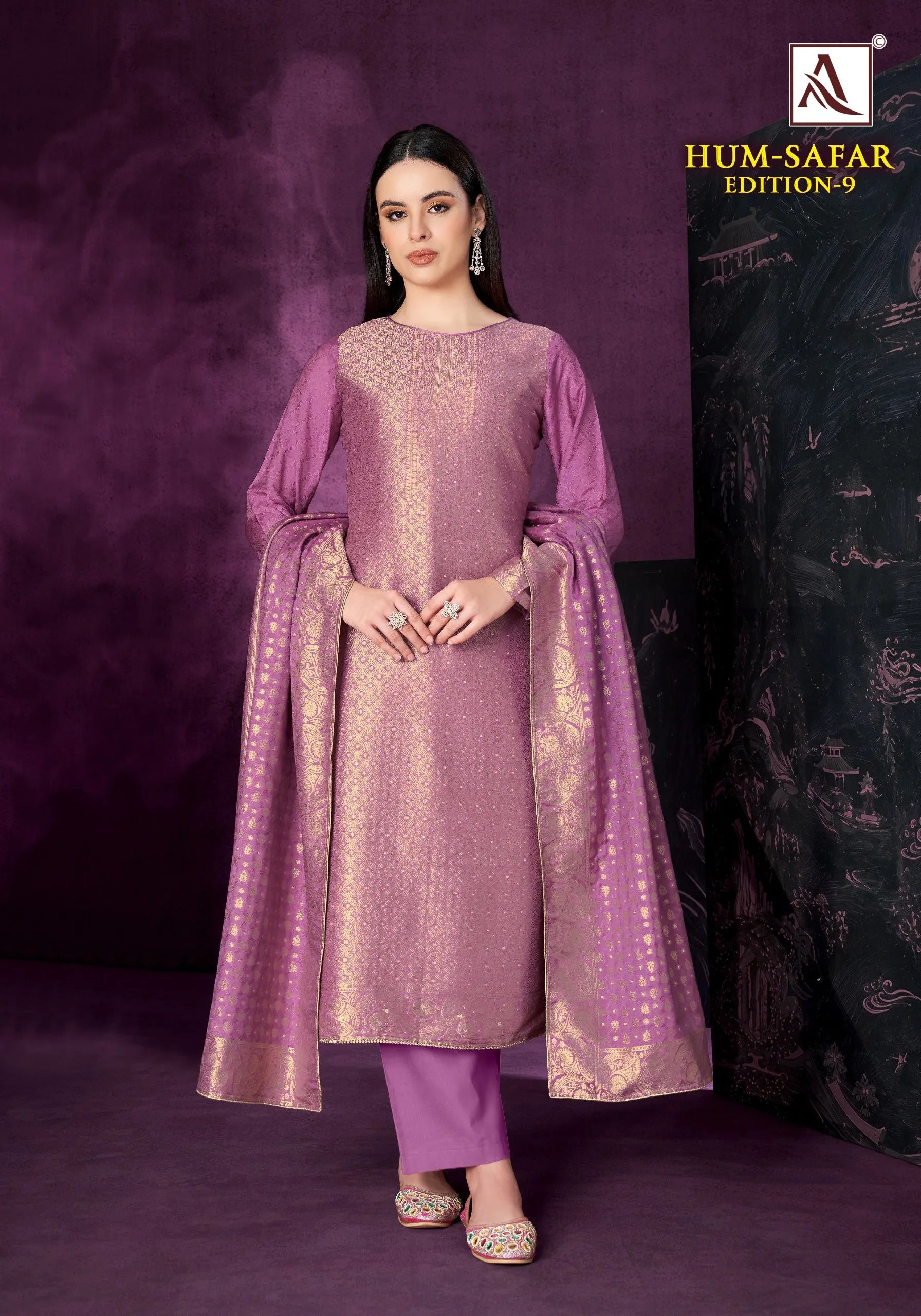
| MOQ | Minimum 6 Pcs. |
| Stitched | Unstitched |
| Type | DRESS MATERIAL |
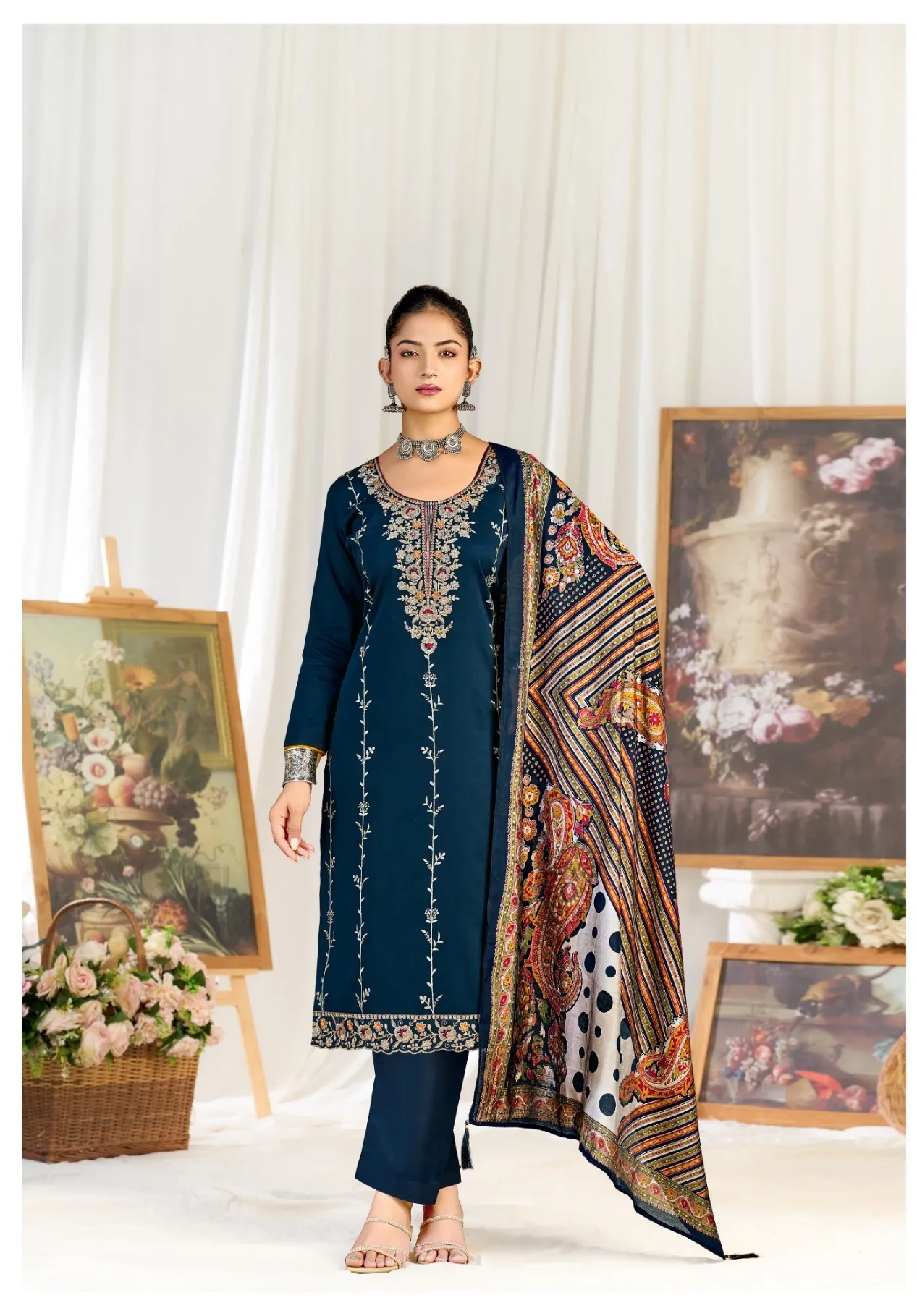
| MOQ | Minimum 6 Pcs. |
| Stitched | Unstitched |
| Type | DRESS MATERIAL |
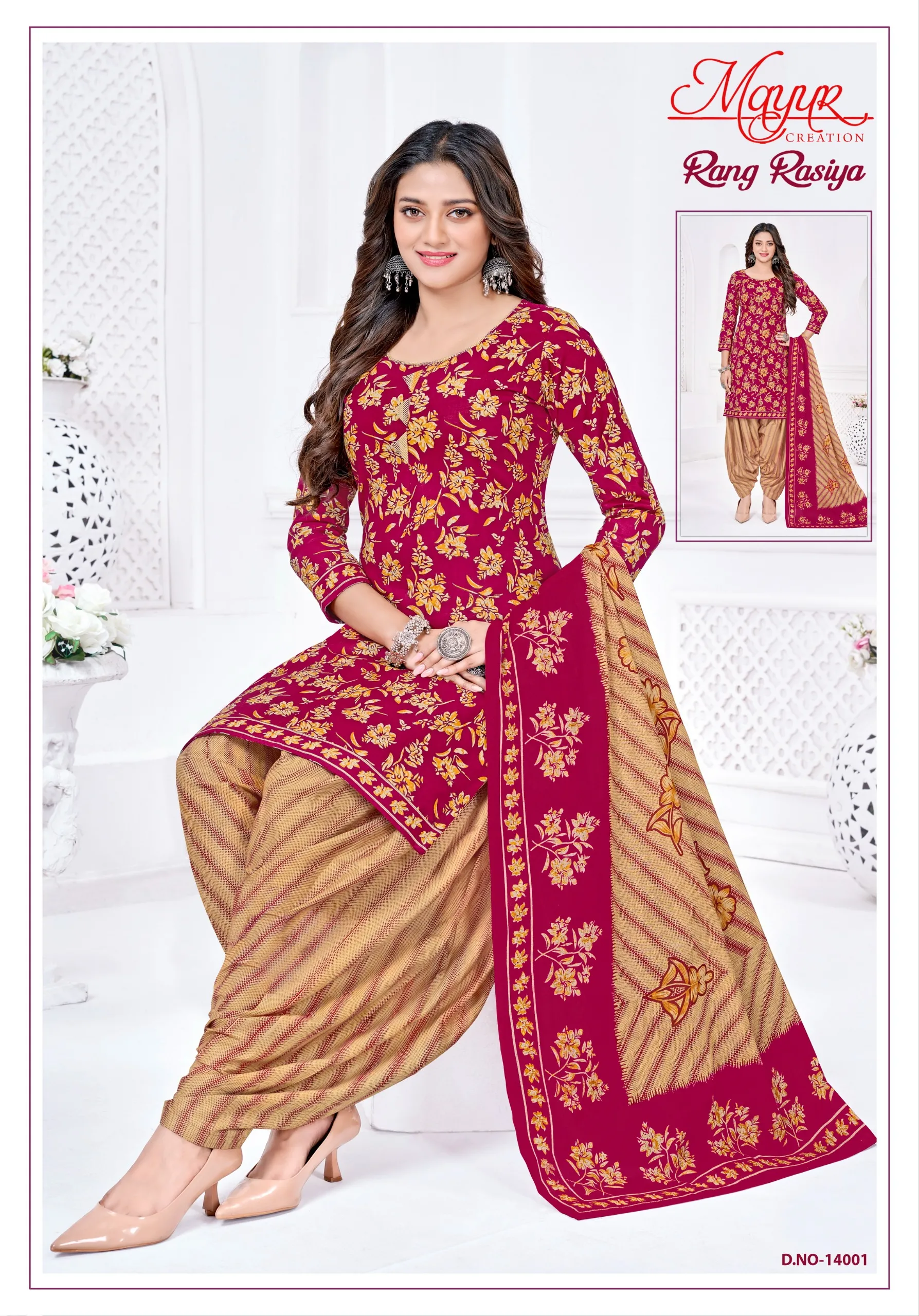
| MOQ | Minimum 10 Pcs. |
| Stitched | Unstitched |
| Type | DRESS MATERIAL |
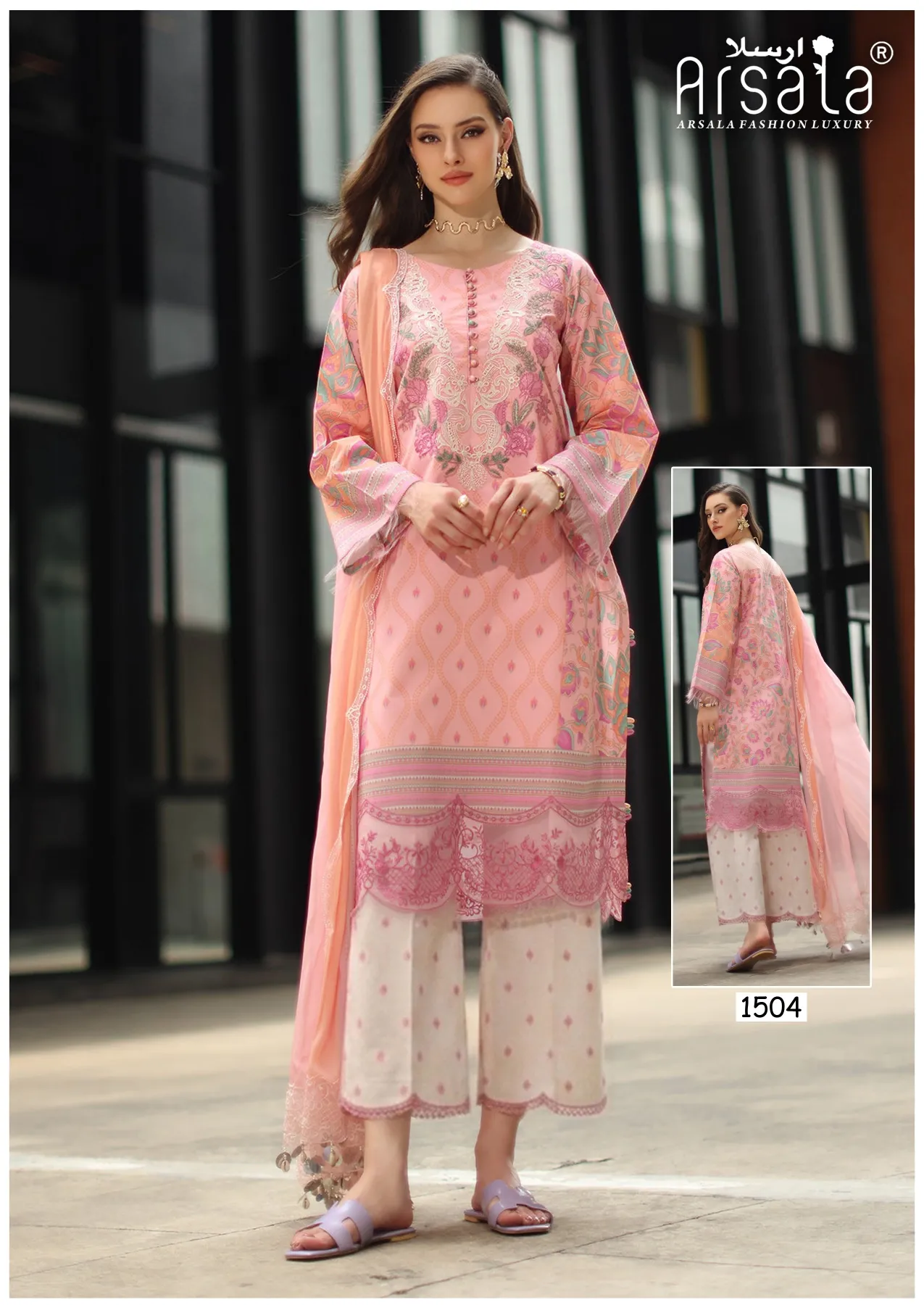
| MOQ | Minimum 6 Pcs. |
| Stitched | Unstitched |
| Type | DRESS MATERIAL |
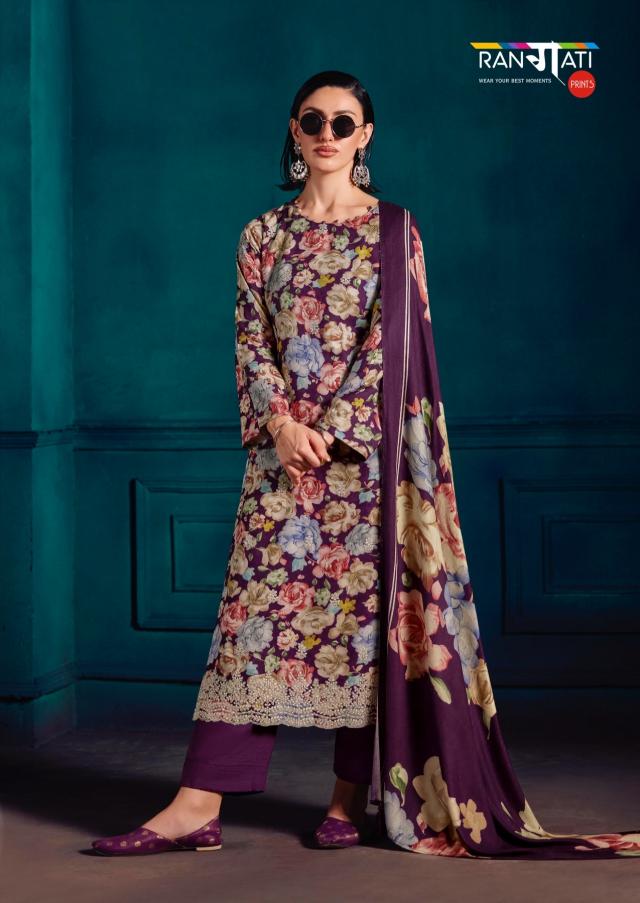
| MOQ | Minimum 4 Pcs. |
| Stitched | Unstitched |
| Type | DRESS MATERIAL |

| MOQ | Minimum 6 Pcs. |
| Stitched | Unstitched |
| Type | DRESS MATERIAL |

| MOQ | Minimum 6 Pcs. |
| Stitched | Unstitched |
| Type | DRESS MATERIAL |

| MOQ | Minimum 8 Pcs. |
| Stitched | Unstitched |
| Type | DRESS MATERIAL |

| MOQ | Minimum 4 Pcs. |
| Stitched | Unstitched |
| Type | DRESS MATERIAL |

| MOQ | Minimum 12 Pcs. |
| Stitched | Full Stitched |
| Type | XXXL | XXL | XL | L |

| MOQ | Minimum 8 Pcs. |
| Stitched | Full Stitched |
| Type | 5XL | 4XL | XXXL | XXL | XL | L | M |
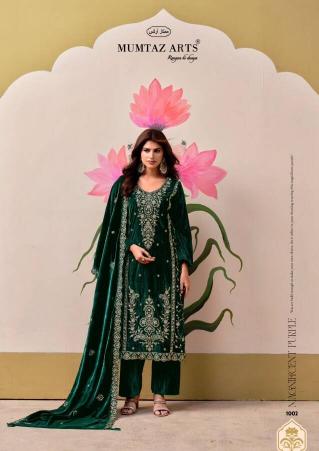
| MOQ | Minimum 4 Pcs. |
| Stitched | Unstitched |
| Type | DRESS MATERIAL |
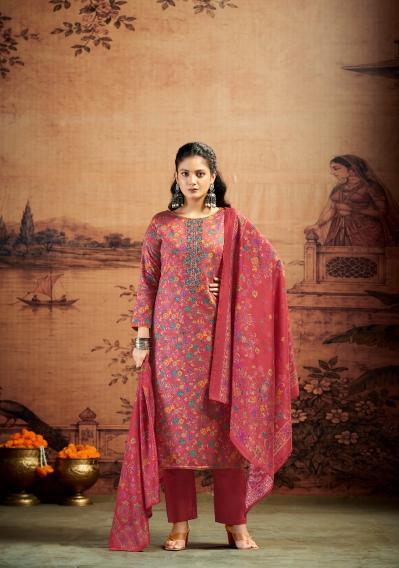
| MOQ | Minimum 6 Pcs. |
| Stitched | Unstitched |
| Type | DRESS MATERIAL |
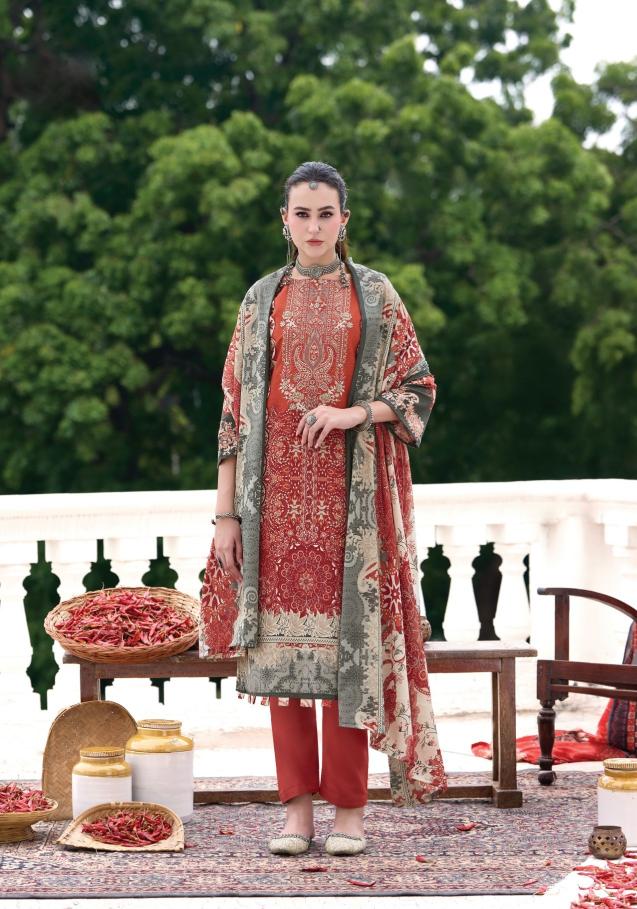
| MOQ | Minimum 8 Pcs. |
| Stitched | Full Stitched |
| Type | XXXL | XXL | XL | L |
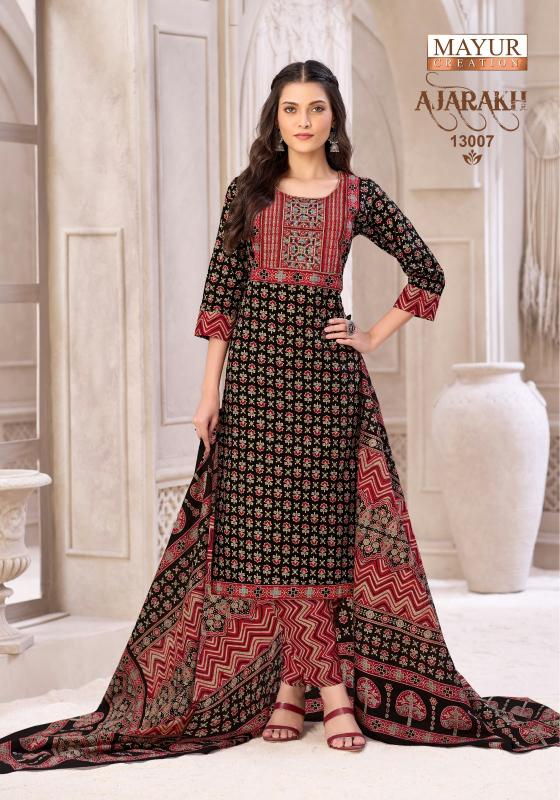
| MOQ | Minimum 10 Pcs. |
| Stitched | Full Stitched |
| Type | 5XL | 4XL | XXXL | XXL | XL | L |
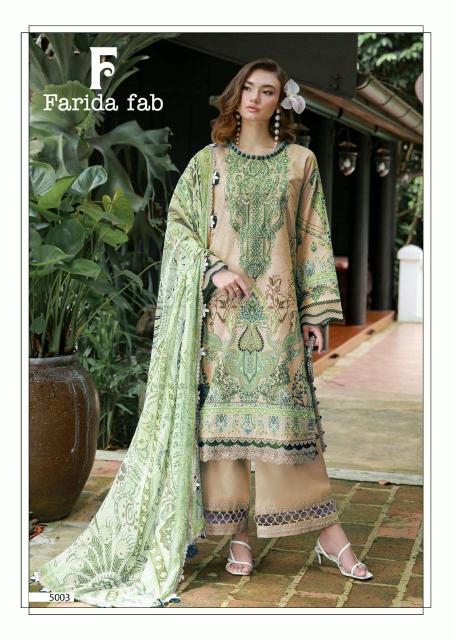
| MOQ | Minimum 6 Pcs. |
| Stitched | Full Stitched |
| Type | 4XL | XXXL | XXL | XL | L | M |

| MOQ | Minimum 6 Pcs. |
| Stitched | Unstitched |
| Type | DRESS MATERIAL |

| MOQ | Minimum 6 Pcs. |
| Stitched | Unstitched |
| Type | DRESS MATERIAL |
Looking for wholesale dress materials for your retail shop, boutique, clothing store or online fashion business?
Sanvari Fashion helps retailers and wholesale buyers explore the latest unstitched dress material collections from Surat across different fabrics, designs, price segments and customer preferences.From comfortable cotton dress materials for everyday wear to printed, embroidered, designer, festive and Pakistani-inspired collections, buyers can choose products according to the demand in their local market.
Unstitched dress materials remain an important ethnic-wear category because customers have the flexibility to customize the fitting, neckline, sleeves, kurta length and overall style according to their preference.
For retailers, this means one collection can appeal to customers with different sizes and styling requirements.
At Sanvari Fashion, our goal is to make dress material wholesale sourcing from Surat simpler. Instead of repeatedly travelling to textile markets and visiting multiple suppliers, retailers can browse available catalogues online, compare collections and select suitable products for their stores.
Whether you are restocking an established garment shop or starting a new ethnic-wear business, explore our latest wholesale dress material collections and source according to your market, season and budget.
Surat is one of India's major textile manufacturing and wholesale trading centres. The city has a large ecosystem of textile manufacturers, processors, wholesalers, traders and catalogue suppliers.
For retailers, sourcing wholesale dress materials in Surat provides access to a broad variety of fabrics, prints, embroidery styles and regularly introduced collections.
Surat's wholesale market serves different segments, including:
Daily-wear dress materials
Cotton dress materials
Printed suit materials
Designer dress materials
Embroidered collections
Pakistani-inspired suits
Punjabi suit materials
Festive collections
Premium unstitched suits
Boutique-style collections
Sanvari Fashion brings these Surat-based wholesale collections online so that retailers from different parts of India can discover products without travelling to Surat for every purchase.
This is especially useful for boutiques, garment shops, resellers and online sellers that need to refresh their inventory regularly.
Price is one of the most important factors when purchasing dress materials for resale.
The wholesale price of dress materials can vary depending on several factors, including fabric, printing technique, embroidery, decorative work, dupatta quality, brand, catalogue size and overall product finishing.
Simple printed and everyday collections are generally positioned differently from heavily embroidered, designer or premium festive collections.
Instead of selecting stock based only on the lowest purchase price, retailers should consider the potential selling price and customer demand in their market.
For example, a shop serving daily-wear customers may require a larger selection of affordable cotton and printed suits, while a boutique may focus more on premium fabrics, designer patterns and distinctive collections.
Product prices and stock availability can change with new catalogue launches. Buyers should therefore check the latest product page or contact Sanvari Fashion for current dress material wholesale prices before ordering.
Customer preferences vary considerably according to location, climate, season, occasion and budget.
A balanced inventory can therefore perform better than purchasing a large quantity of only one type of dress material.
Here are some of the popular categories retailers can consider.
Cotton remains one of the most practical categories for ethnic-wear retailers.
Its breathability and comfort make it particularly suitable for everyday wear, office wear and warmer climates.
Wholesale cotton collections may include floral prints, traditional patterns, geometric designs, simple everyday suits and other printed combinations.
Retailers serving customers who prioritize comfort and regular use can maintain a strong selection of cotton-based products.
Printed dress materials provide retailers with considerable design variety.
Depending on the collection, buyers can find floral, traditional, abstract, digital and contemporary prints across different fabrics and price ranges.
Printed suits can be particularly useful for daily wear and customers looking for attractive ethnic outfits without heavy embroidery or decorative work.
Designer dress materials are suitable for retailers who want to offer products beyond basic everyday collections.
Depending on the catalogue, these designs may feature embroidery, digital printing, decorative neck patterns, coordinated dupattas, detailed borders and other design elements.
Designer collections can be positioned for parties, festivals, family functions and other special occasions.
Embroidery can add a more premium appearance to an unstitched suit.
Different collections may include embroidery on the kurta fabric, neckline, border, dupatta or multiple parts of the set.
Retailers should evaluate the quality and amount of embroidery along with the fabric and overall wholesale price when choosing these collections.
Pakistani-inspired dress materials have become a recognizable segment within the Indian ethnic-wear market.
These collections are often associated with elegant prints, longer kurta styling, coordinated dupattas, lawn-inspired fabrics and detailed patterns.
For retailers, Pakistani and Karachi-style collections can provide additional variety alongside conventional Indian dress material designs.
Punjabi and churidar dress materials continue to serve customers who prefer traditional ethnic styling.
These products can be maintained alongside modern printed and designer collections to provide customers with more choices.
The right combination depends on the purchasing preferences of your local market.
Fabric can significantly influence comfort, appearance, selling price and the type of customer a collection attracts.
Cotton is widely used for daily and summer wear because of its comfort and breathability. It works particularly well for printed, traditional and everyday dress materials.
Georgette has a lightweight feel and attractive drape. It is commonly used for designer and occasion-oriented collections and can be combined with prints, embroidery, sequins and other decorative work.
Silk and silk-blend fabrics are generally associated with festive and premium ethnic wear. Depending on the catalogue, these materials may include embroidery, rich textures and decorative elements.
Chanderi and similar premium fabrics can help retailers create a higher-value section for customers shopping for festivals, functions, celebrations and special occasions.
There is no single fabric combination suitable for every retailer. The best inventory depends on your location, customer profile, season and selling price range.
Successful wholesale purchasing is not simply about selecting the most attractive catalogue.
Retailers should choose inventory according to the customers who actually purchase from their store.
For a daily-wear market, cotton, printed and comfortable fabrics with practical designs can be important.
For office-wear customers, consider elegant prints, subtle patterns and lightweight materials that can be worn regularly.
For a festive and occasion-wear market, embroidered, silk-blend, designer and premium collections can provide additional options.
Boutiques may prefer distinctive designs, premium fabrics and collections that look different from commonly available mass-market products.
Price-sensitive markets generally require a stronger mix of practical wholesale prices and attractive designs.
Retailers should also review their previous sales. If a particular fabric, price range or design consistently performs well, use that information when purchasing the next collection.
This demand-based approach can help reduce unnecessary inventory and improve stock rotation.
Traditionally, garment retailers had to travel to Surat and other textile markets to discover new suppliers and collections.
Online wholesale sourcing makes catalogue discovery significantly easier.
Retailers can browse collections from their shop, compare designs and shortlist suitable products without making repeated market visits.
This can save time as well as travel and accommodation expenses.
More importantly, online sourcing can help retailers monitor new collections more frequently.
Fashion demand changes quickly. Retailers may therefore benefit from purchasing according to current customer demand rather than stocking excessive quantities of a single design.
Sanvari Fashion helps buyers discover Surat-based collections online and select products according to their business requirements.
Payment flexibility can be important for wholesale buyers managing inventory and cash flow.
For eligible orders within India, Cash on Delivery may be available according to the applicable order terms.
COD eligibility, advance payment requirements, order value and delivery availability can vary, so buyers should confirm the current terms before finalizing an order.
If you are specifically looking for cash on delivery wholesale dress materials, contact the Sanvari Fashion team with the catalogue or products you are interested in.
Our team can provide the applicable ordering and payment information.
Sanvari Fashion's wholesale dress material collections are intended for business buyers such as garment retailers, boutique owners, resellers, online sellers, ethnic-wear stores and multi-category fashion shops.
Different businesses require different inventory strategies.
A small boutique may prefer selected premium collections, while a large retail shop may require products across several price ranges.
An online reseller may prioritize products with attractive designs and clear catalogue presentation.
Established retailers may select products according to their previous sales data and repeat-customer preferences.
Instead of purchasing every new catalogue, identify the collections that best match your target customer.
You don't have to operate a shop in Surat to access Surat-based textile collections.
Online wholesale sourcing allows retailers from different cities and states to explore new products and purchase according to their local market requirements.
Demand can vary significantly across India.
Cotton and lightweight fabrics may have stronger demand in warmer regions, while embroidered and premium collections can become particularly important around weddings, festivals and special occasions.
For this reason, retailers should adjust their inventory throughout the year instead of maintaining exactly the same product mix in every season.
Sanvari Fashion helps buyers explore available wholesale collections online and source products according to their business requirements.
Retailers don't have to depend on only one product category.
Combining dress materials with complementary ethnic-wear categories can help you serve different customer preferences and increase the variety available in your store.
Sarees continue to be an important category for traditional, festive, wedding and everyday ethnic wear.
If your customers shop for both sarees and dress materials, maintaining both categories can help create a more complete ethnic-wear assortment.
Explore: Wholesale Sarees
Kurtis provide a ready-to-wear alternative for customers who do not want to purchase unstitched material.
Retailers can combine kurtis with dress materials to serve both customers who prefer ready-made outfits and those who prefer customized stitching.
Explore: Wholesale Kurtis in Surat
Wholesale buyers need more than attractive product photos.
The right collection should fit the retailer's target customer, budget, selling price and current inventory requirement.
Sanvari Fashion focuses on making Surat wholesale catalogue discovery more convenient for retailers and other fashion businesses.
Buyers can explore multiple types of dress materials along with related ethnic-wear categories through the same website.
Our objective is to help wholesale buyers:
Discover fresh dress material collections
Explore different fabrics and designs
Compare products across price segments
Source Surat-based collections online
Find products suitable for different retail markets
Regularly refresh their ethnic-wear inventory
Rather than travelling from supplier to supplier for every new collection, buyers can explore available products online and shortlist catalogues suitable for their business.
Start by browsing the latest dress material collections available on Sanvari Fashion.
Check the product design, fabric, catalogue details, wholesale price and other available product information.
Shortlist products according to your customers' preferences and your intended retail price range.
Before ordering, check the applicable catalogue or minimum-order requirements along with payment and delivery terms.
If you require assistance, contact our team with the products or catalogue you are interested in.
For new retailers, it is often useful to build a balanced inventory across different fabrics, styles and price segments.
As you collect actual sales data, you can reorder categories that perform well and adjust future purchases accordingly.
1. Where can I buy wholesale dress materials in Surat?
Sanvari Fashion provides online access to Surat-based wholesale dress material collections for retailers, boutiques, resellers, garment shops and other fashion businesses. Buyers can browse available catalogues online and select products according to their market requirements.
2. What types of wholesale dress materials are available?
Depending on current catalogue availability, collections may include cotton, printed, embroidered, designer, Pakistani-inspired, Karachi-style, Punjabi, churidar, silk-blend and festive unstitched dress materials.
3. Can I check wholesale dress material prices online?
Available products can be browsed online. Wholesale prices depend on the fabric, design, work, brand, catalogue and current stock. Check the latest product information or contact Sanvari Fashion for current pricing.
4. Do you provide Cash on Delivery for wholesale dress materials?
COD may be available for eligible orders within India according to applicable order terms. Buyers should confirm current COD availability, advance requirements and other payment conditions before placing an order.
5. Can retailers outside Surat order dress materials?
Yes. Online wholesale sourcing enables retailers outside Surat to explore available Surat-based collections and order according to the applicable delivery and ordering terms.
6. Which wholesale dress materials are suitable for daily wear?
Cotton, lightweight fabrics and printed collections are commonly selected for daily-wear customers because of their comfort and practical styling.
7. Which dress materials are suitable for boutiques?
Boutiques can consider distinctive printed collections, designer suits, embroidered designs, Pakistani-inspired products and premium fabrics. The best selection depends on the boutique's target customer and price range.
8. How should I select dress materials for my retail shop?
Consider your customers' preferred fabrics, designs, selling-price range, local climate, season, festivals and previous sales. Purchasing according to actual demand can help maintain a more balanced inventory.
9. Are dress materials better than ready-made suits for retailers?
They serve different customer needs. Dress materials allow customers to customize the fitting and styling, while ready-made products provide convenience. Many ethnic-wear retailers maintain both categories.
10. Can I also buy wholesale sarees and kurtis from Sanvari Fashion?
Yes. Buyers can explore Wholesale Sarees and Wholesale Kurtis in Surat along with dress material collections to build a broader ethnic-wear assortment.
Looking for fresh wholesale dress materials from Surat for your retail shop, boutique or online fashion business?
Explore Sanvari Fashion's latest cotton, printed, designer, embroidered, Pakistani-inspired and other unstitched dress material collections.
Choose products according to your customers, budget and target selling range, and regularly refresh your store with new Surat collections.
Browse Latest Collections | Check Wholesale Prices | Place Your Wholesale Order
Contact: +91 99136 11986
Website: SanvariFashion.com

