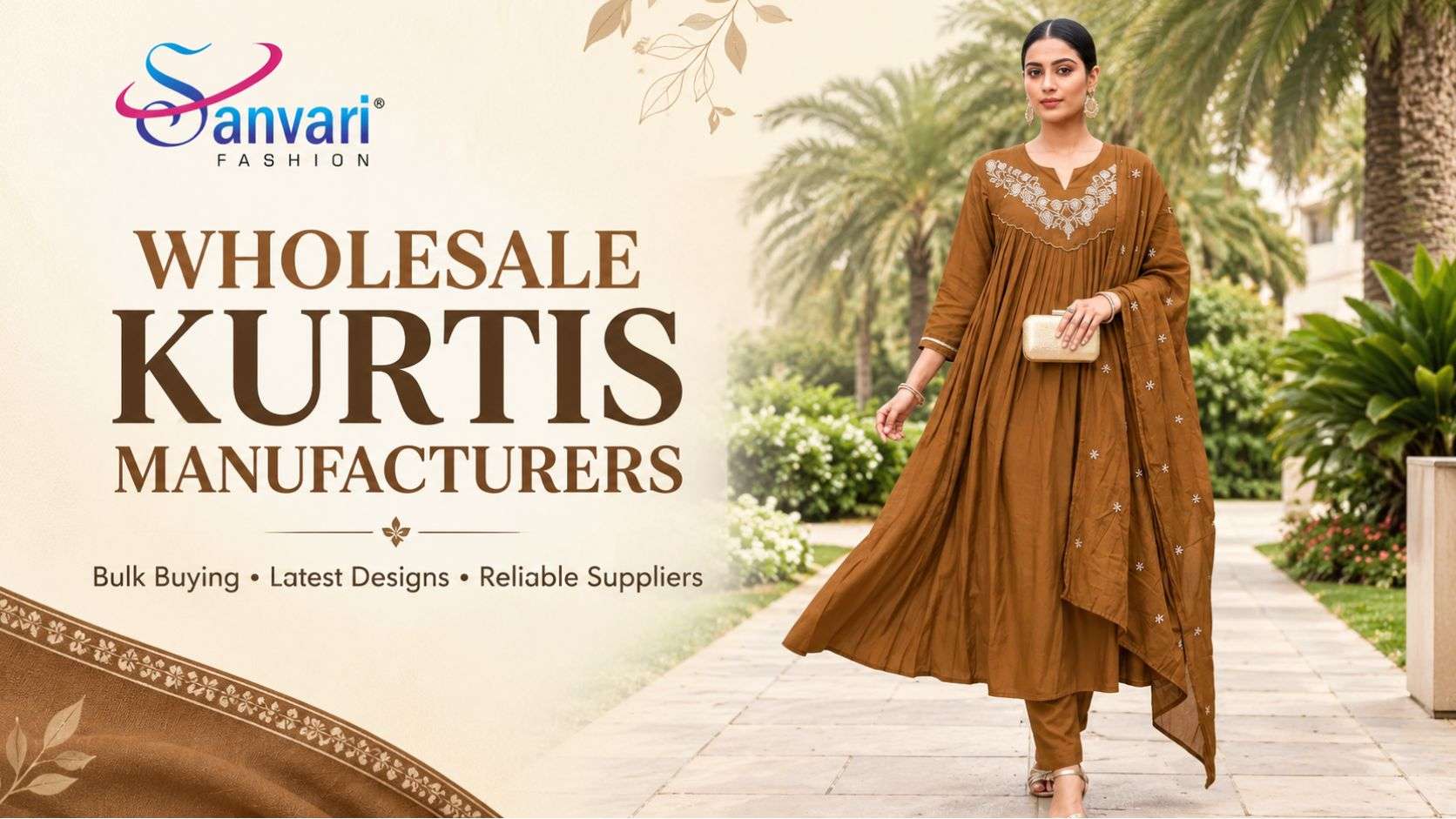
The Indian ethnic wear market offers exciting opportunities for boutique owners, clothing retailers, online sellers, and fashion resellers. Kurtis remain a popular clothing choice because they combine comfort, versatility, and attractive designs for everyday wear, office outfits, festivals, and special occasions. Choosing reliable wholesale kurtis manufacturers helps businesses source fashionable collections, manage inventory, and serve customers with different budgets and preferences.
Are you looking for affordable kurtis for your boutique? Which fabrics and designs are suitable for bulk orders? How can resellers compare wholesale prices and minimum order quantities? Where can you find a wholesale kurti catalogue with different styles? Understanding these factors can help you make informed purchasing decisions and build a more competitive clothing business.
The wholesale kurtis market offers a wide range of clothing options, from simple cotton styles to embroidered designer pieces. Retailers can select straight-cut kurtis, Anarkali designs, A-line silhouettes, printed rayon collections, and contemporary fusion styles according to their target customers.
Demand often varies by season and occasion. Lightweight cotton kurtis are practical for everyday wear, while embroidered rayon, festive prints, and embellished designs may appeal to shoppers preparing for celebrations and family events. Maintaining a balanced collection allows retailers to serve multiple customer groups instead of depending on a single trend.
Businesses should compare fabric quality, stitching, size availability, product photographs, dispatch timelines, and supplier policies before placing orders. Reviewing these details can help reduce purchasing risks and improve customer satisfaction.
For retailers seeking a diverse product selection, wholesale kurtis manufacturers offer a relevant starting point for exploring wholesale collections. Compare the available catalogues and check each product's minimum order quantity, sizes, fabric details, and current pricing before confirming your purchase.
Wholesale kurtis for resellers can be a practical option for entrepreneurs who want to start or expand a clothing business. Resellers can sell through local shops, boutiques, social media pages, online marketplaces, and personal customer networks.
Before buying in bulk, identify your audience. College students and everyday shoppers may prefer affordable printed kurtis, while working professionals might look for elegant office wear. Customers shopping for weddings and festivals may be interested in detailed embroidery, coordinated outfits, and premium fabrics.
Consider these useful purchasing strategies:
Start with market research: Identify popular sizes, preferred colours, and price ranges among your customers.
Compare minimum order quantities: Select catalogues that match your available investment and stock requirements.
Calculate total costs: Include product prices, shipping, packaging, taxes where applicable, and other business expenses.
Check product consistency: Review available photographs, measurements, fabric descriptions, and quality policies.
Track sales performance: Reorder popular designs and avoid investing heavily in untested styles.
Buying larger quantities does not automatically guarantee higher profits. Your final margins depend on purchase costs, selling prices, customer demand, and unsold inventory.
Shopping for branded kurtis wholesale online allows retailers to explore different designs without visiting multiple physical markets. Online catalogues can make product comparisons easier and help buyers review available sizes, fabrics, prices, and ordering requirements.
However, buyers should not rely on attractive photographs alone. Check whether the listed price applies to one piece or a complete set, confirm the minimum order quantity, and read the supplier's shipping and return policies. If possible, begin with a smaller eligible order before committing a large amount to an unfamiliar collection.
Retailers should also verify brand names, product descriptions, and authorization claims where relevant. Clear product information helps you describe merchandise accurately to your own customers and build long-term trust.
Businesses based in Gujarat can also research Indian clothing stores in Surat to understand local shopping preferences and explore the broader clothing market. Compare local demand with online buying opportunities before deciding which products to stock.
A well-organized wholesale kurti catalogue makes it easier to plan stock and select products for different customer groups. Rather than buying only one style, consider creating a collection that includes everyday essentials, office wear, casual outfits, and occasion-ready designs.
Popular categories to explore include:
Cotton kurtis: Suitable for customers seeking breathable, comfortable everyday clothing.
Rayon kurtis: Available in a variety of prints and silhouettes for casual and semi-formal wear.
Anarkali kurtis: Flared designs that can suit festive gatherings and traditional occasions.
Straight-cut kurtis: Versatile options for office wear, daily use, and coordinated outfits.
Embroidered kurtis: Decorative designs that can appeal to customers seeking more detailed styles.
Designer kurtis: Contemporary cuts, distinctive prints, and embellishments for fashion-conscious shoppers.
When reviewing a catalogue, compare stitching, fabric descriptions, available sizes, colour options, and price differences. Check whether the stated minimum order quantity applies per design, colour, or complete catalogue. These details are important for estimating your investment accurately.
For businesses expanding beyond kurtis, adding complementary ethnic wear can help attract customers shopping for different occasions. Explore the wholesale lehenga collection to consider festive and wedding outfits alongside everyday clothing. Offering complementary categories may help retailers create a more complete ethnic wear selection.
You can also review men's wear collections if your business serves families or customers looking for clothing across multiple categories.
Selecting a supplier requires more than comparing the lowest available price. Reliable wholesale kurtis manufacturers should provide clear product information, transparent ordering terms, and consistent communication.
Use this checklist before placing an order:
Review product details: Confirm fabric, stitching, size charts, and design specifications.
Understand the MOQ: Check the minimum number of pieces required for each order.
Compare pricing: Evaluate the total landed cost rather than the listed price alone.
Confirm dispatch timelines: Ask about processing time, shipping options, and tracking.
Review policies: Understand the terms for damaged products, returns, and order issues.
Plan repeat purchases: Consider whether the supplier provides suitable options for restocking successful designs.
These steps can help you make more informed sourcing decisions and develop a purchasing process that supports long-term business growth.
Success in clothing retail depends on choosing suitable products, understanding your customers, and managing stock carefully. Start with designs that match your target market, calculate costs before setting retail prices, and review sales regularly to identify your strongest categories.
With a structured sourcing strategy, wholesale kurtis manufacturers can become an important part of your business planning. Build your collection gradually, compare available catalogues, and prioritise suppliers whose product details and ordering policies meet your requirements.
Explore the latest wholesale clothing options at sanvarifashion to discover collections for retailers, resellers, and boutique owners. Review individual product details and minimum order quantities to find options that suit your business.
Ready to expand your ethnic wear collection? Visit wholesale kurtis manufacturers to explore available kurtis, compare designs, and begin planning your next wholesale purchase.

